Categories




 +91 87543 20015
 +91 87543 20015
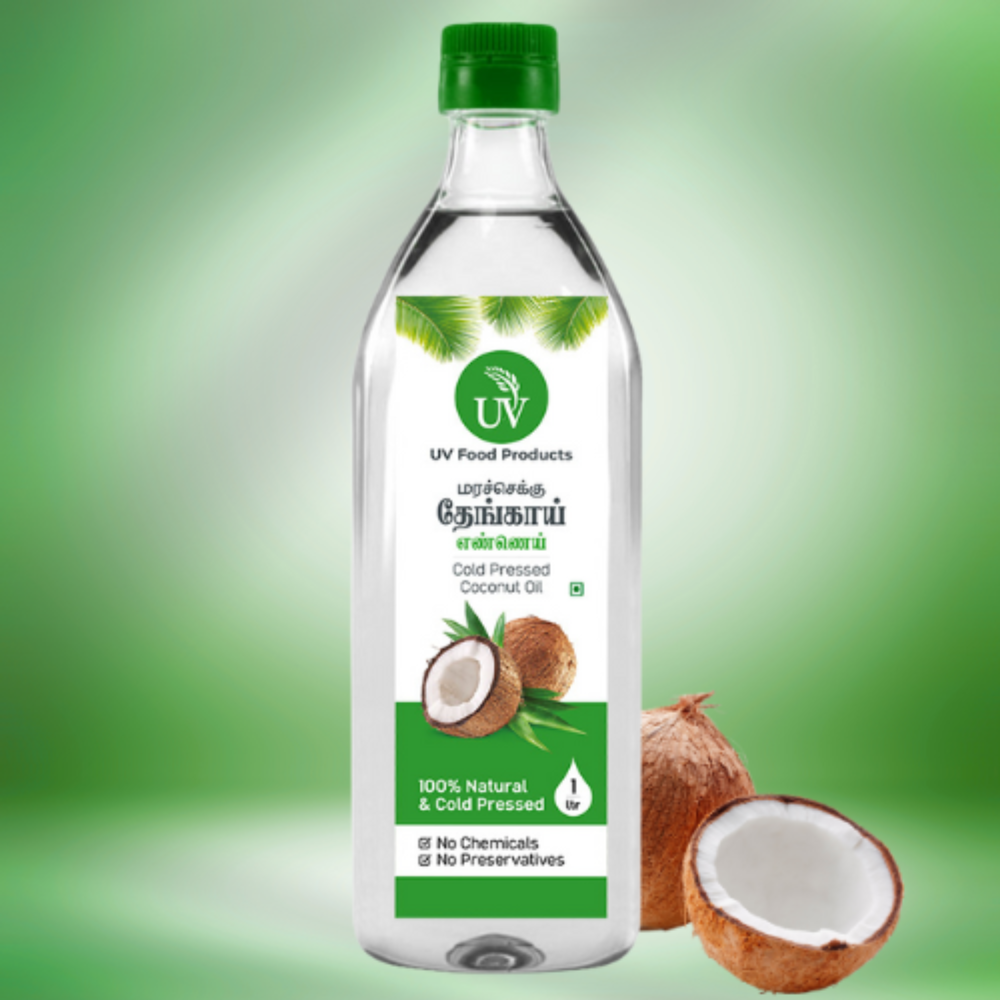
Coconut oil is a versatile fat extracted from coconut meat, typically solid below 77°F (25°C) and liquid when warm, known for its distinct flavor, high saturated fat content (mostly lauric acid), and resistance to rancidity, used widely in cooking (especially virgin varieties with coconut arom...
Coconut oil is a versatile fat extracted from coconut meat, typically solid below 77°F (25°C) and liquid when warm, known for its distinct flavor, high saturated fat content (mostly lauric acid), and resistance to rancidity, used widely in cooking (especially virgin varieties with coconut aroma), baking, skin/hair care, and industrial products like soaps.
Key Characteristics
Types
Common Uses